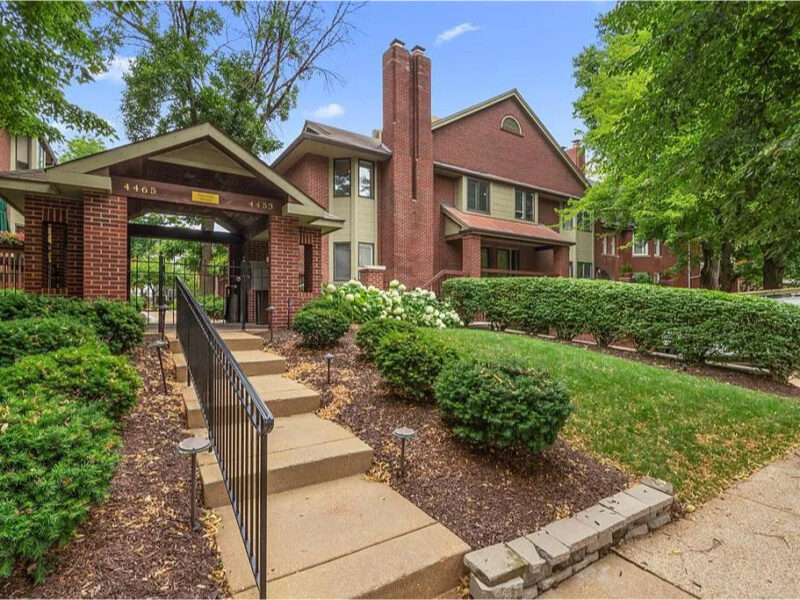
Owning rental property in the St. Louis area can be both rewarding and challenging. Beyond finding great tenants and keeping your property well-maintained, one of the most important responsibilities is ensuring your property meets all legal and safety requirements. Compliance isn’t just about avoiding fines; it’s about protecting your investment, providing a safe living environment, and building a reputation as a responsible landlord.
From city-specific regulations to state laws and federal housing standards, there’s a lot to keep track of. A proactive approach to compliance can save you time, money, and potential headaches down the road.
Why Compliance Should Be a Top Priority
Legal and safety compliance is more than just checking boxes. In St. Louis, it directly impacts:
- Tenant safety – A safe and well-maintained home reduces accidents, injuries, and liability risks.
- Financial protection – Avoid costly fines, legal disputes, or forced repairs.
- Property value – Regular inspections and code compliance preserve your property’s condition.
- Tenant retention – Renters are more likely to renew when they trust their landlord’s commitment to safety.
Failing to meet requirements can quickly turn profitable rentals into expensive liabilities. Fortunately, with the right systems, compliance can become a seamless part of your property management strategy.
Understanding St. Louis Rental Property Requirements
Every city has its own rules for rental properties, and St. Louis is no exception. Owners need to be aware of:
- Occupancy permits – Before renting a unit, most municipalities in the St. Louis metro area require a valid occupancy permit to verify that the property meets safety and habitability standards.
- Rental inspections – Depending on your property’s location, periodic inspections may be required. These inspections cover electrical systems, plumbing, structural safety, and more.
- Lead-based paint disclosure – Properties built before 1978 must comply with federal lead-safe regulations, including disclosure forms and, in some cases, certified remediation.
Knowing the city and county-specific requirements for your property is the first step toward avoiding violations.
Core Safety Standards Every Rental Should Meet
Whether your property is in The Hill, Central West End, or South City, certain safety basics apply across the board.
Smoke and Carbon Monoxide Detectors
- St. Louis City and County require functioning smoke detectors in each sleeping area and on every level of the home.
- Carbon monoxide detectors are required in homes with fuel-burning appliances or attached garages.
Secure Entry and Lighting
- Entry doors should have functional locks and deadbolts.
- Adequate exterior lighting improves safety for tenants and can deter break-ins.
Electrical and Plumbing Systems
- Outlets, switches, and wiring must be in good condition and meet current code standards.
- Plumbing should be free from leaks, clogs, and water pressure issues.
Heating and Cooling
- Missouri law requires rental units to have functioning heating capable of maintaining 68°F.
- Although air conditioning is not legally required, offering it can enhance tenant satisfaction and decrease turnover rates.
Structural Integrity
- Stairs, railings, and balconies should be secure.
- Walls, ceilings, and flooring should be free of major cracks, water damage, or instability.
Legal Considerations for St. Louis Landlords
Fair Housing Compliance
- Federal and Missouri fair housing laws prohibit discrimination based on race, color, national origin, religion, sex, familial status, or disability.
- Some local ordinances expand these protections to include sexual orientation, gender identity, and source of income.
Security Deposit Regulations
- Missouri law limits security deposits to two months’ rent.
- Deposits must be returned within 30 days after the tenant moves out, along with an itemized list of deductions.
Lease Agreements
- Leases should be legally compliant, clear, and include all required disclosures.
- Important clauses should outline rent due dates, late fees, maintenance responsibilities, and rules for entry.
Proactive Compliance Strategies
Waiting until an inspector points out violations is risky. Instead, adopt a proactive system that keeps you ahead of requirements.
1. Regular Self-Inspections
Conduct your own property walkthroughs at least twice a year, checking for:
- Safety hazards
- Code violations
- Maintenance issues that could worsen over time
2. Stay Informed About Local Laws
Laws and ordinances can change. Follow updates from:
- The City of St. Louis Building Division
- St. Louis County Department of Public Works
- Missouri Housing Development Commission
3. Partner with Qualified Vendors
Use licensed electricians, plumbers, and contractors who are familiar with local codes. Quality work helps ensure compliance and longevity.
4. Keep Documentation
Maintain records of inspections, repairs, tenant communications, and permits. If questions arise, thorough documentation can protect you legally.
How Compliance Protects Your Bottom Line
Property owners sometimes view compliance as an added cost, but in reality, it’s an investment in long-term profitability.
- Reduced legal risks – Avoid lawsuits or penalties that can drain resources.
- Lower turnover – Safe, well-maintained homes encourage tenants to renew leases.
- Better marketing appeal – “Up-to-code” and “safety-inspected” are selling points for prospective renters.
- Insurance advantages – Some insurers offer lower rates for properties that meet certain safety standards.
Why Work with a Local Property Management Team
Navigating St. Louis’s mix of city, county, and state regulations can be complex. A professional property management company:
- Knows the local requirements inside and out.
- The company manages inspections, permits, and compliance checks on your behalf.
- Coordinates with trusted contractors to ensure all work meets the code.
- Documents every step, reducing your liability risk.
Whether you own one property in Tower Grove or a portfolio across the metro area, partnering with an experienced team can make compliance effortless.
Final Thoughts
Legal and safety compliance isn’t just a legal obligation, it’s a smart business move. For St. Louis rental property owners, it means protecting your investment, safeguarding your tenants, and building a strong, reputable rental business.
By staying proactive, conducting regular inspections, and keeping up with local laws, you can avoid costly issues and keep your rental running smoothly. And if you prefer a hands-off approach, working with a trusted property management team ensures everything is handled with precision and care.
At Botanical Property Management, we provide full-service compliance and safety support for property owners across the St. Louis area. From occupancy permits to proactive inspections, we help you meet every requirement while maximizing your property’s performance.