


(314) 202-6274
2309 Thurman Ave A,
Saint Louis, MO 63110
2309 Thurman Ave A,
Saint Louis, MO 63110
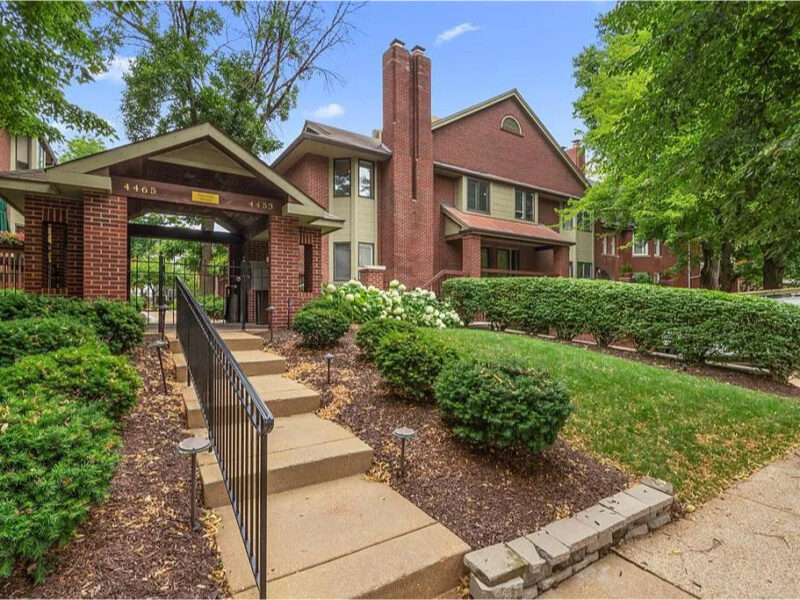
Community spaces can be a powerful asset for rental properties; offering more than just shared amenities, they create a sense of belonging, improve tenant satisfaction, and can even boost property value. In the competitive St. Louis rental market, well-managed community areas help properties stand out, attract quality tenants, and keep them longer.
Whether you own a multi-family apartment building in the Central West End, a mixed-use property in Tower Grove, or a small rental community in South City, prioritizing the upkeep and thoughtful use of shared spaces can make a measurable difference in your property’s performance.
Tenants today are looking for more than just four walls and a roof. They want places to connect, relax, and feel at home. In fact, studies show that well-maintained shared spaces increase tenant satisfaction and reduce turnover.
For St. Louis property owners, this means investing in common areas like:
When managed effectively, these spaces encourage positive tenant interactions, foster community spirit, and make your property more appealing in listings.
Nothing undermines the appeal of a shared space faster than neglect. Just as with individual units, cleanliness sets the tone for quality and care. Schedule regular professional cleaning for indoor spaces and routine landscaping for outdoor areas.
For example:
Maintaining well-kept spaces demonstrates attentive and proud property management, which in turn attracts and retains responsible tenants.
In St. Louis, property owners are responsible for ensuring shared areas meet local safety standards and building codes. This includes:
A safe environment not only protects tenants but also reduces liability for owners.
A community space doesn’t have to be extravagant to be effective; it just needs to be functional, inviting, and suited to tenant lifestyles.
Ideas for St. Louis properties:
Periodic updates keep spaces fresh and competitive, especially in neighborhoods where new developments may be offering modern amenities.
Shared spaces work best when tenants understand how they can be used. Post clear guidelines for cleanliness, quiet hours, and reservation policies. This helps prevent conflicts and ensures everyone can enjoy the space.
For example, a rooftop deck might require:
Proactive communication about rules shows that management values both enjoyment and respect among tenants.
A shared space is only valuable if tenants use it. Hosting occasional events can bring people together and strengthen community ties.
In St. Louis, seasonal events can be a hit:
These gatherings not only build relationships between neighbors but also foster loyalty to the property.
While managing community spaces requires ongoing effort, the payoff can be significant:
For instance, an apartment building in Midtown with a well-maintained fitness center and outdoor patio will likely attract more attention than a similar building without those amenities, especially when showcased with professional photos in a compelling online listing.
When managing shared spaces in St. Louis, property owners should factor in:
Once you’ve invested in community amenities, showcase them effectively to potential tenants:
Managing community spaces effectively takes consistent attention, vendor coordination, and strategic planning. Many St. Louis property owners partner with professional management companies to:
At Botanical Property Management, we understand how shared spaces can transform the tenant experience. From intimate courtyards in historic Soulard buildings to rooftop lounges in modern Downtown high-rises, we manage amenities with the same care we give to individual units. Our goal is to help property owners increase tenant satisfaction, reduce turnover, and maximize long-term returns.
Bottom line: In today’s rental market, community spaces are more than just amenities; they’re powerful tools for creating lasting tenant relationships and standing out in the St. Louis property market. With the right management approach, they can deliver both lifestyle value for tenants and financial benefits for owners.