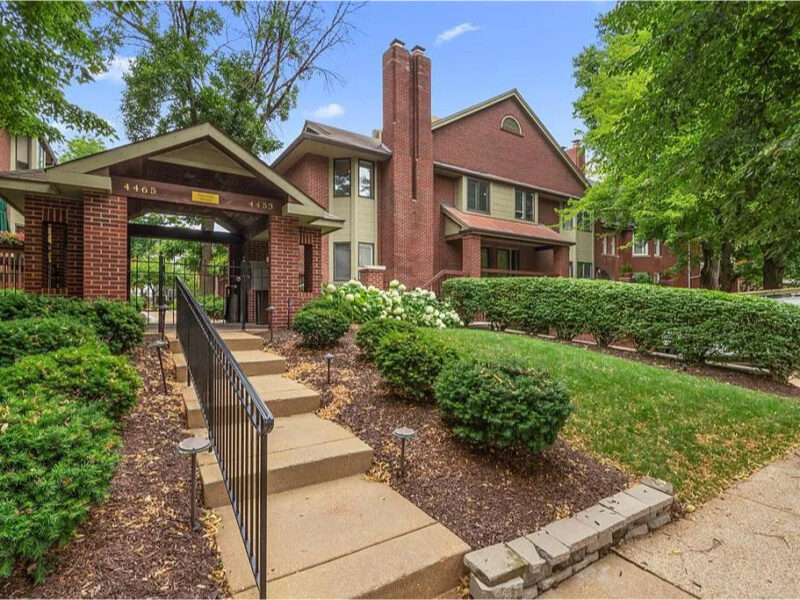
Winter in St. Louis is beautiful, but it comes with challenges for property owners, one of the most costly being ice dams. These frozen ridges of ice form along the edges of roofs, preventing melting snow from draining properly. When left unchecked, ice dams can lead to significant interior damage, costly repairs, and tenant complaints. Understanding how ice dams form, the risks they pose, and the preventive measures property owners can take is essential for protecting your investment.
How Ice Dams Form
Ice dams develop when heat escapes from a home through the roof, melting snow in some areas while the edges remain cold. The melted water then refreezes at the roofline, creating a barrier that traps additional water. Over time, this trapped water can seep under shingles and into the attic or walls. Factors that contribute to ice dam formation include:
- Poor attic insulation: Heat loss from the living space accelerates snow melting.
- Inadequate ventilation: Proper airflow in the attic helps maintain even roof temperatures.
- Heavy snowfall: St. Louis winters with repeated snowstorms increase the risk.
- Roof design: Complex roofs, valleys, and dormers are more prone to ice accumulation.
The Interior Damage Ice Dams Cause
While ice dams form on the exterior, the real cost often shows up inside the property. Water infiltration can lead to:
- Ceiling and wall damage: Water stains, peeling paint, and warped drywall.
- Mold and mildew growth: Trapped moisture encourages mold, which can affect air quality and tenant health.
- Structural damage: Long-term leaks can weaken wooden framing, insulation, and other materials.
- Damage to personal property: Water can ruin carpets, flooring, and tenants’ belongings, leading to liability concerns for property owners.
Even minor leaks can escalate quickly, creating expensive repairs and disrupting tenant satisfaction.
Proactive Ice Dam Prevention Strategies
Property owners in the St. Louis area can take several steps to minimize ice dam risks and protect their properties:
- Improve Attic Insulation
Adding insulation helps keep heat in the living areas and prevents snow from melting unevenly on the roof. Proper insulation reduces the chance of water pooling and freezing at the edges.
- Ensure Proper Attic Ventilation
Adequate ventilation promotes even roof temperatures and helps snow melt uniformly. Ridge vents, soffit vents, and other airflow solutions can prevent ice dam formation.
- Regular Roof Maintenance
Inspect roofs before winter for damaged shingles, gaps, or clogged gutters. Clear debris and ice to allow proper water flow. Regular inspections can catch issues early, avoiding costly emergency repairs.
- Use Ice and Water Barriers
Installing waterproof membranes under shingles in high-risk areas can prevent leaks from trapped water. This extra layer of protection is especially effective on St. Louis homes with older roofs.
- Snow Removal Best Practices
Using a roof rake to remove excess snow safely can help reduce ice dam formation. Focus on snow near roof edges without damaging shingles or siding. Avoid climbing onto the roof, professional assistance is recommended for safety.
Why Proactive Prevention Matters
Ice dams aren’t just a nuisance; they’re a financial risk. By investing in prevention, property owners can:
- Protect tenants’ living spaces and reduce complaints.
- Avoid costly interior repairs and insurance claims.
- Maintain property value and curb appeal.
- Minimize downtime between tenants caused by damage repair.
For St. Louis property owners, addressing ice dam risks before winter arrives is the key to preserving both your investment and your tenants’ peace of mind.
Partner With Local Experts
Botanical Property Management offers winter property support across St. Louis, including roof inspections, snow management guidance, and preventative maintenance recommendations. Whether you manage multiple units or a single rental property, proactive ice dam prevention can save time, money, and headaches this winter.
Protect your property before the snow melts or freezes. Schedule a winter readiness assessment today and ensure your units are safe, dry, and tenant-ready all season long.